Guide for magnetic bars
- Card or bank transfer payment
- Net prices, VAT not applicable
- Shipped within 2–3 business days of payment
Ref. GUIDE25
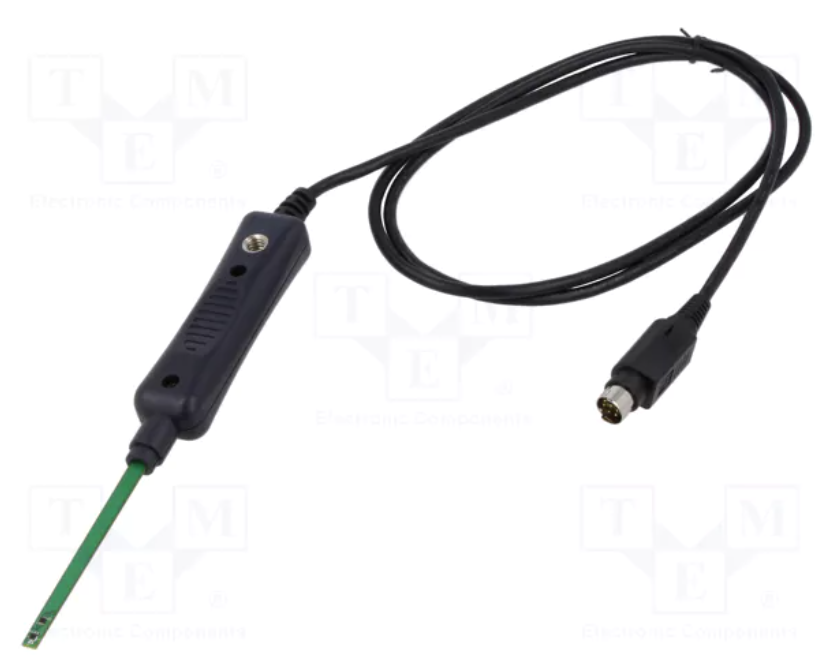
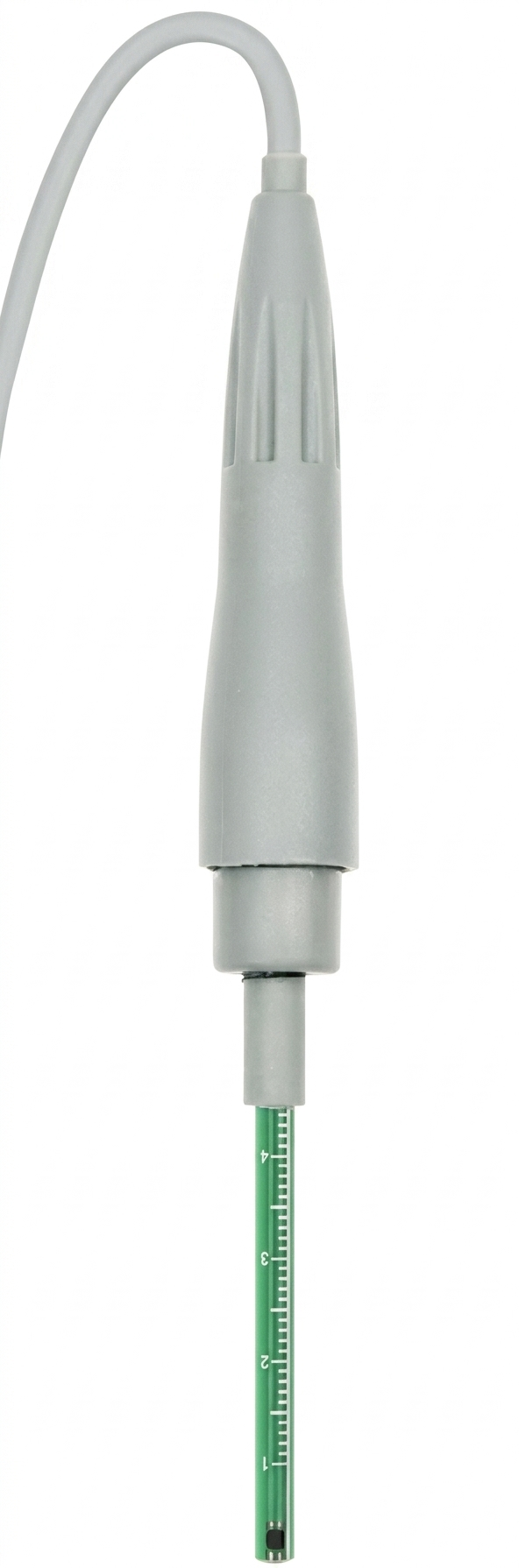
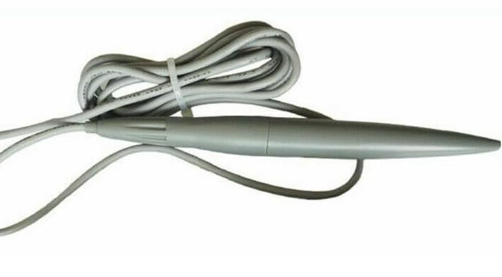
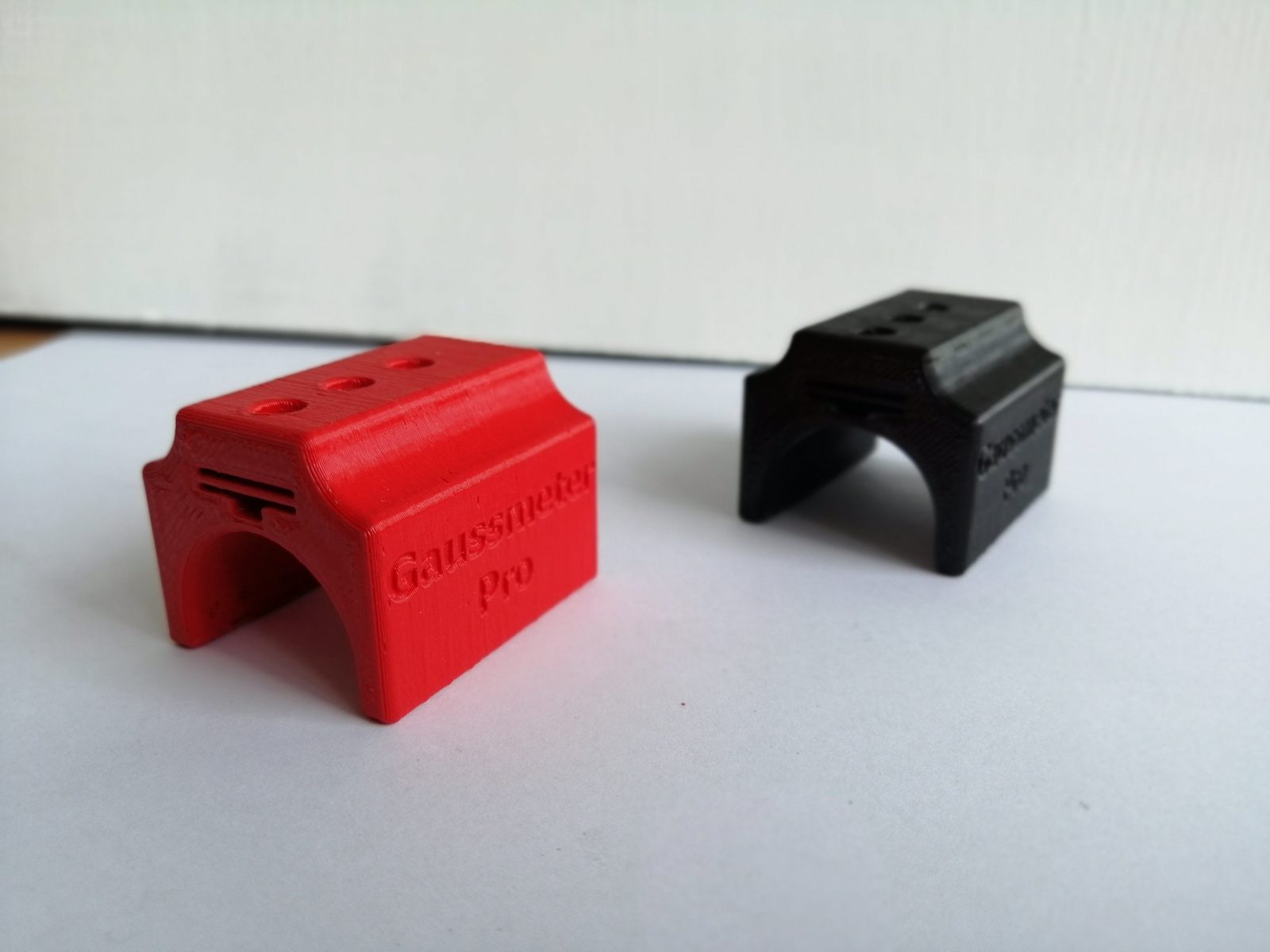
Placing a flat probe on a cylindrical shape such as a magnetic bar is not easy. The lack of stability when moving along the magnetic bar sometimes leads to incorrect readings. This measuring difficulty also causes rapid wear of the probe. That is why we developed this accessory: the guide for magnetic bars.
This polymer guide is non-magnetic and does not affect the measurement. Slide the probe into the slot provided and lightly tighten the set screw. Then run along the full length of the bar with ease! The guide is available in different diameters to suit your needs.
Technical specifications:
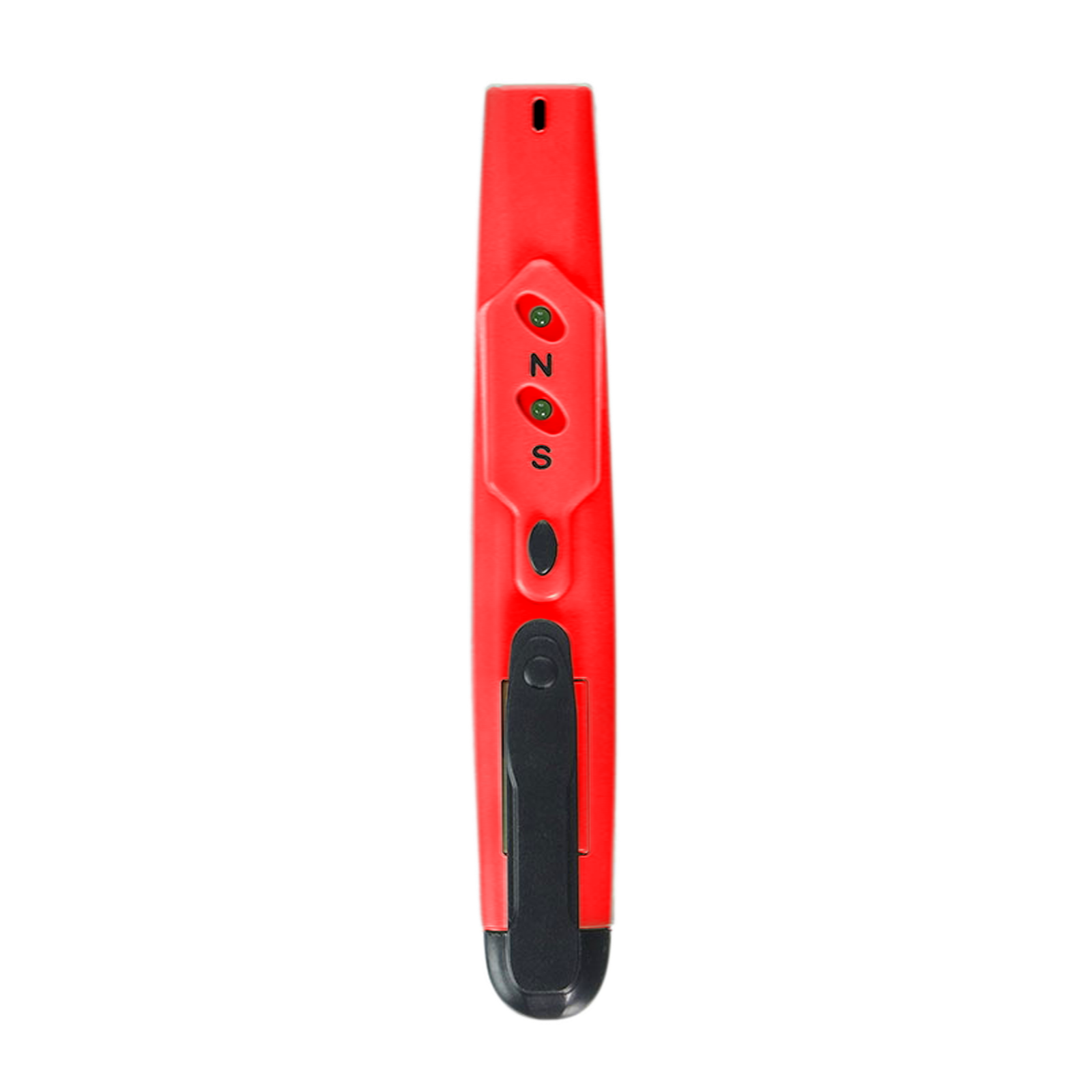
Ideal for use on the magnetic bars fitted to housing separators, magnetic pots, magnetic grids and other magnetic filters designed to remove steel from your product.
If you would like the guide to come with a material certificate or certificate of conformity, please remember to request it when ordering. It cannot be issued afterwards
Tips:
- Remember that the air gap is the enemy of magnetic performance. Make sure to remove any impurities stuck to the inside diameter of the guide or to the probe's sensing element. Likewise, clean your magnetic equipment properly. For example, a 1 mm gap between a neodymium magnetic device and the probe sensor can mean a loss of 1,000 Gauss (0.1 T).
- The temperature of the magnet or electromagnet itself directly affects the maximum flux density Br it can deliver. Periodic readings taken on magnetic equipment must be made at the same temperature.
- The quality of a flux density measurement in contact with a magnet or magnetic system also depends on the person taking it. Patience is important to find the point where the flux density is strongest.
- Any work in an area where a magnetic field is emitted must be carried out by qualified personnel, in accordance with the regulations in force on protecting the health of workers exposed to magnetic fields.